ARTIST SPOTLIGHT: EDWARD RUCHALSKI
Artist Spotlight is our regular feature introducing you to Cities and Memory artists around the world with an in-depth interview. In this edition, we introduce you to Syracuse, New York-based field recordist and acousmatic musician Edward Ruchalski, whose sonic journey started with a guitar aged eight and continues today with radio broadcasts, collaborations and lots of contact mics!
Tell us about your practice, Edward:
My interests are varied but mostly centre around acousmatic music. Lately, I’ve been creating soundworks for radio broadcasts.
I’ve had pieces broadcast at various festivals like Radiophrenia, On Air – On Site, Shortwave Shindig, and Radio Tsonami.
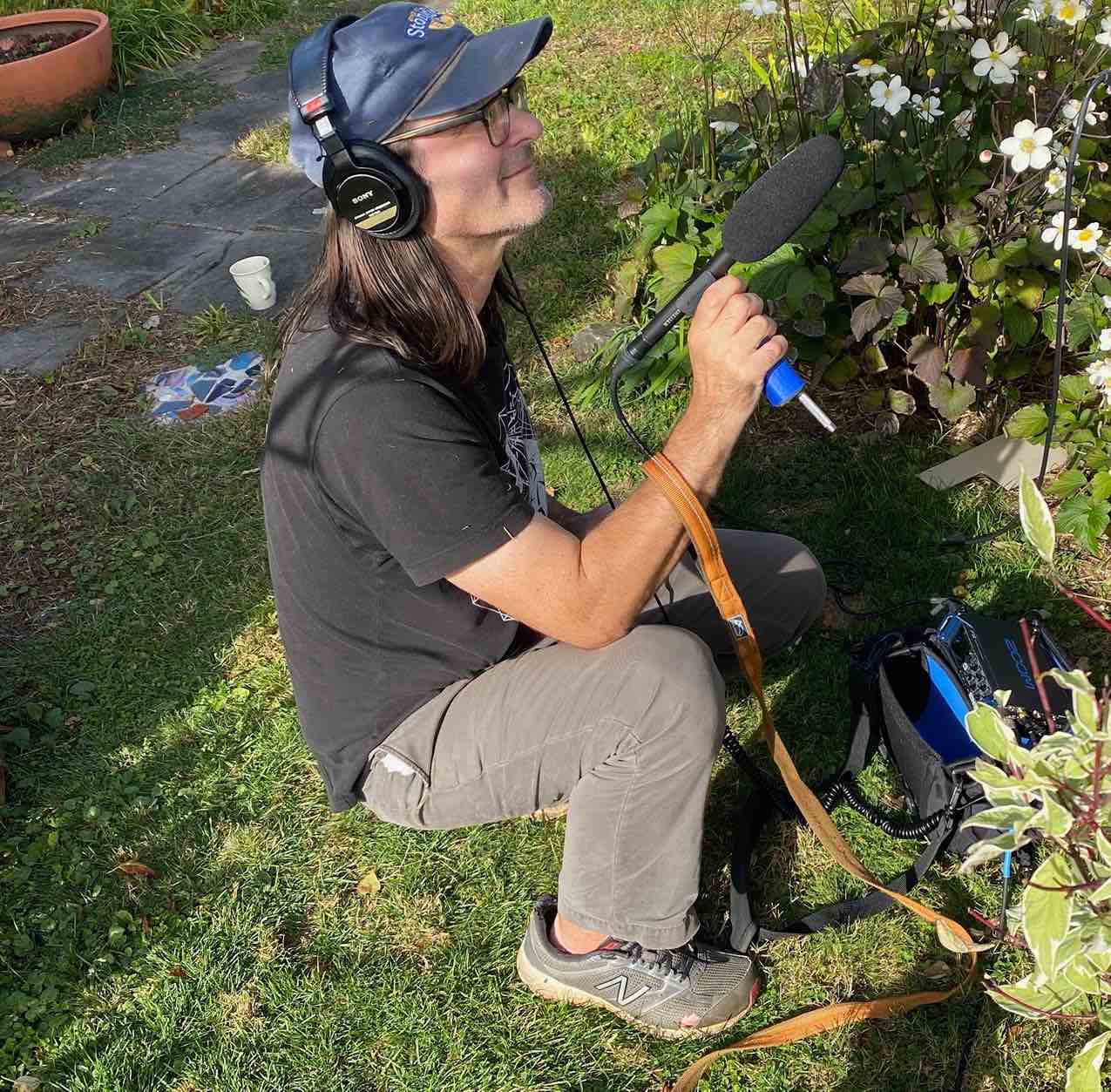
I also co-host a radio show called Bells, Bugs, Whispers & Plinks. It’s a 60-minute show of original works in collaboration with Stephen Bradley. The show grew out of an artist residency that Steve & I did at Wave Farm back in 2019.
The show is broadcast on the fifth Tuesday of the month at 2 pm on Wave Farm WGXC. So, we do about five shows a year. But since we create all the music specifically for each show, it’s pretty much a continual ongoing process for us. Our shows are archived here.
I also compose art songs with my wife, the poet, Elizabeth Twiddy. We’ve written about fifteen songs so far and have had several performances by two wonderful sopranos, Julia Ebner and Danan Tsan, accompanied by pianist, Sar-Shalom Strong. One concert of ours is available on our YouTube channel, along with a few single songs: The Bees and Sleep, Clocks.
EDWARD'S CITIES AND MEMORY SOUNDS
The interview continues below ⬇️, and this map collects together all of Edward’s contributions to Cities and Memory:
What does it sound like where you're from?
Always interesting.
How did you first discover a love of sound in your life?
 My grandfather was always playing the guitar and I was always just watching him and listening. One day, after playing a song he handed me his guitar and said, “Now you play”. And that started it for me. I was eight.
Also, my mother was the music director at church, and although I wasn’t interested in mass, I was always interested in listening to her sing while she accompanied herself on the organ.
When I was 14, I heard Todd Rundgren’s Hermit of Mink Hollow. That album was a window into another world and I became even more interested in sound. I remember saying to myself, “That’s what I’m going to do, work with sound”.
What is it that you love most about what you do?
What I love most about what I do, is just listening to sound. I love how a sound or a piece of music will trigger something in me and inspire me to create something: a piece of music, a sound sculpture, etc.
I’m always actively listening as much as possible, and I try to get out of the house to do some field recording whenever possible.
Can you share an example of your work with us?
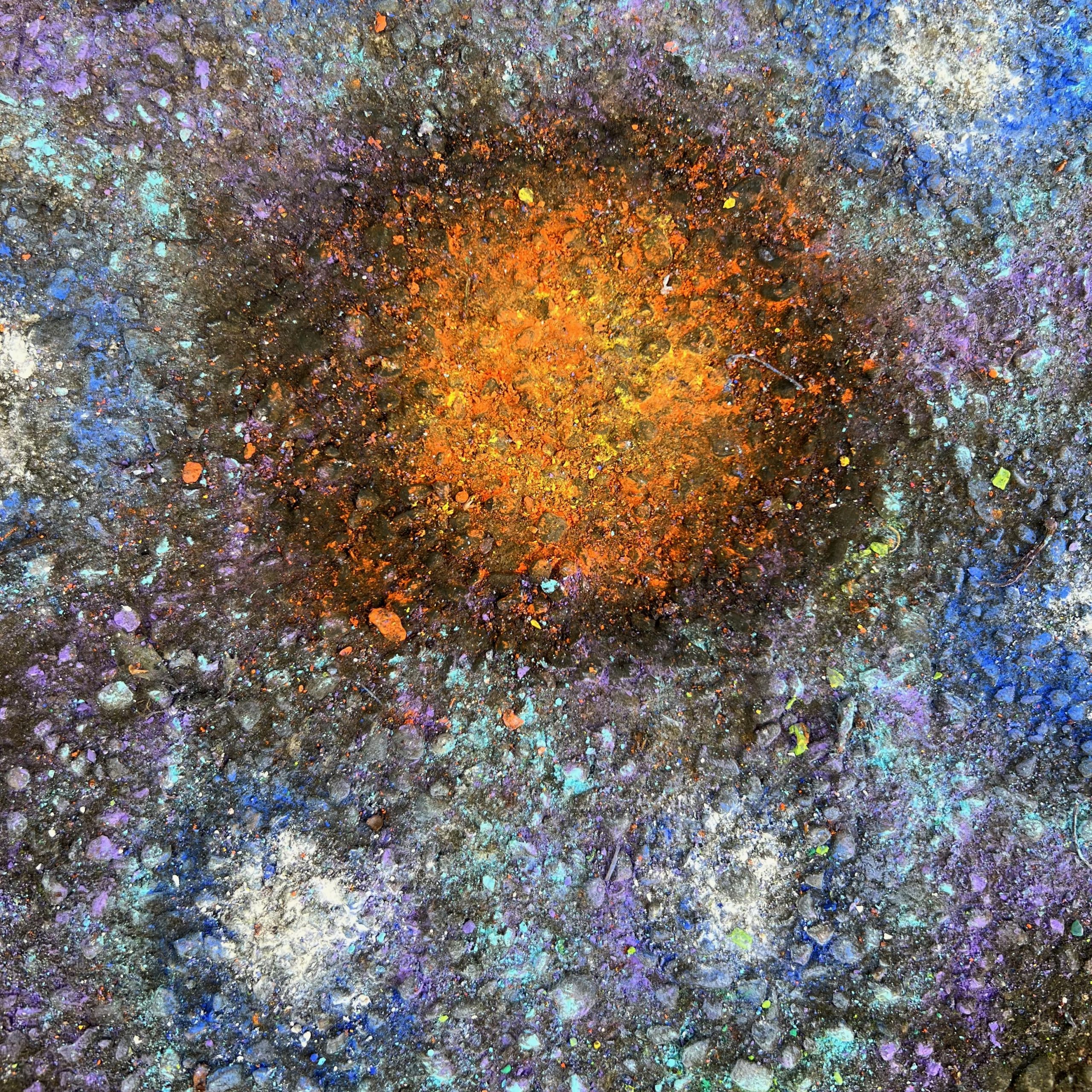 Over the years, I’ve been slowly creating blended landscapes or imaginary places. Pieces that give a sense of location. A place that can only be heard, not seen. But it’s a fictional place.
There are bits of field recording, instruments, radio noises and sound sculptures. The first two pieces I made were Windwood Harbor and Whirl Bell Island. They’re both studio works, between 20-25 minutes long.
The newest addition, Willem’s Hollow, is an Ableton piece. I wanted to do something more flexible and also maybe perform it live someday.
What's a contribution to Cities and Memory that you're proud of, and can you tell us a bit about it?
My latest contribution, Blossoming Wake, was for the Autumn Project. I was inspired by the field recording “By The Kukkia Lake” by Sirpa Jokinen. I was drawn to this field recording, which was made with a contact microphone, simply because I too have been using contact microphones to record outdoors.
I placed contact microphones in dead hollow trees and on a creaking gate. The audio files used to create this “blended landscape” were edited and processed in the studio using Cubase and Ableton.
Recommend us some of your favourite artists!
Douglas Quin. He’s the best. His Antarctica album has been one of my favorite albums for years. His albums Caratinga and Forest: A Book of Hours are great too. His attention to detail is amazing.
I was fortunate to meet Doug and become friends with him. Recently, We collaborated on an album, Notecards.
Stephen Bradley has some wonderful work as well. He’s always trying new things and is full of pleasant surprises. His last album on blue spectrum cycles is my favorite. It’s made up of shortwave radio sounds mixed together with some field recordings.
Elizabeth Twiddy’s poetry inspires me. I love her latest poem, Considering Starlink, published by Rattle, and I’m hoping to set it to music.
What's a sound that has a particularly important significance for you?
Distant train horns or geese honking. Fluttering and skittering sounds. Green frogs. Catbirds and Wood Thrushes.
Mostly outdoor sounds that I’ve heard all my life. They always delight me and I feel like I can rely on their constant presence.
Time for an equipment nerd question! What is some of your favourite kit, and why do you love it so much?
My favourite piece of equipment is the Zoom F8 Multitrack Field Recorder. It’s lightweight, easy to use and has pretty quiet preamps.
What are you working on next?
I’m working on the next Bells, Bugs, Whispers & Plinks show with Stephen Bradley. My sound sources were recorded using contact microphones (made by Douglas Quin) and involve some sort of sound produced by friction whether it’s two trees rubbing against each other or playing with a frog buzzer.
I also tied some fishing line to my basement rafters, clamped a contact microphone to a rafter and recorded interesting sounds produced by rubbing the fishing line with my fingers and different objects.