ARTIST SPOTLIGHT: PAUL BEAUDOIN
Artist Spotlight is our regular feature introducing you to Cities and Memory artists around the world with an in-depth interview. In this edition, we introduce you to Tallinn-based musician, composer, painter, writer and multidisciplinary artist Paul Beaudoin, whose music explores space, quiet and memory, and for whom the sound of a foghorn has a very special significance.
Tell us about your practice, Paul:
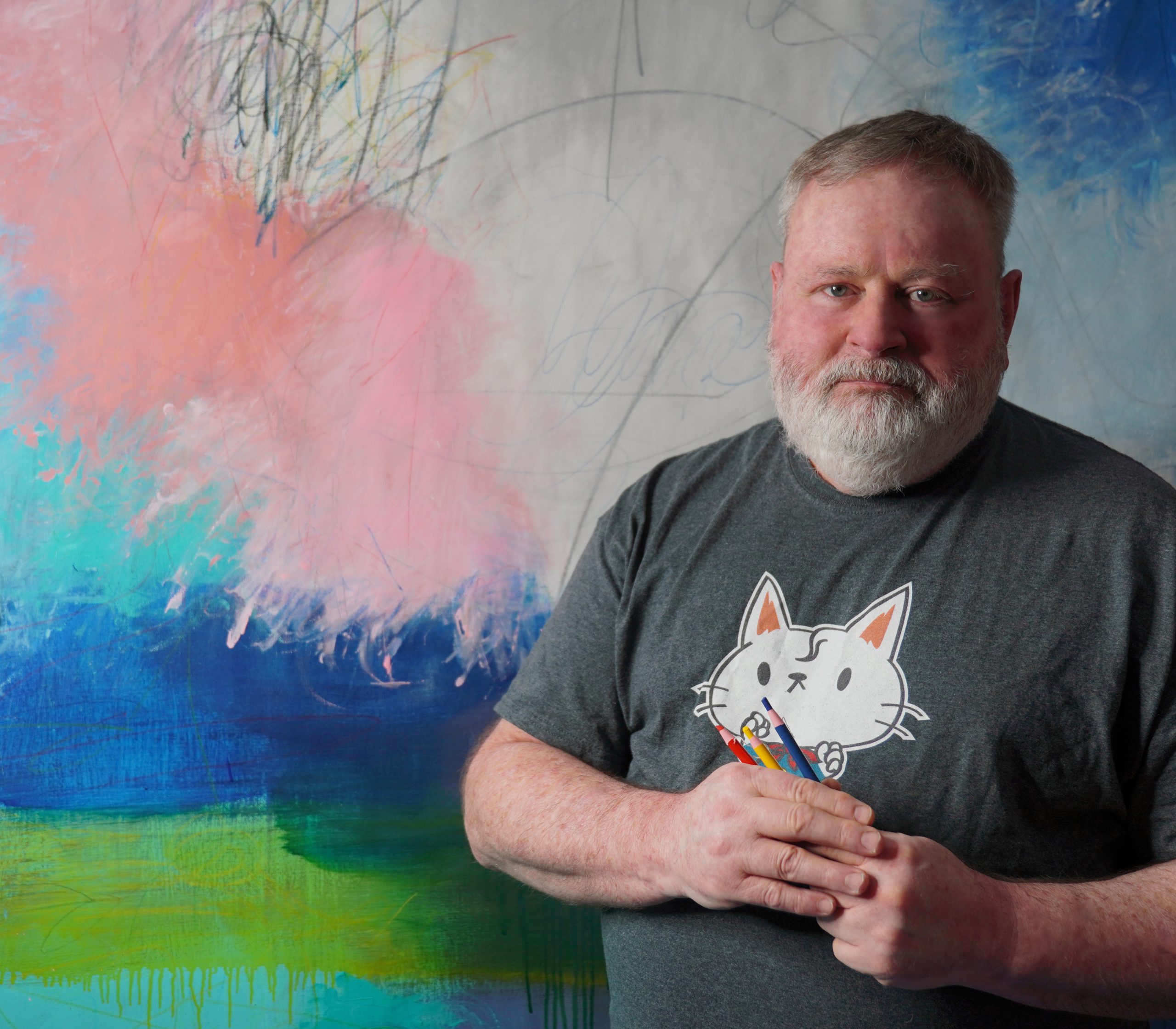 I’ve become more sensitive with how sound shapes memory, time, and presence.
For a long time, though, I wasn’t really thinking about those things. I was writing what you might call “academic” music — pieces designed for colleagues, review committees, juries. It was all about proving how clever I was.
That came to a sudden stop in 2015, when I spent a year in Tallinn, Estonia, on a Fulbright Fellowship. The quiet here, and the fact that nobody really cared who I was or what I was doing, gave me space to slow down.
My music stretched out, became more spacious, and I started pulling apart my harmonic language. I found myself just listening for hours — to the environment, to silence, to the smallest details of sound. Since then, my creative work has opened up into other forms as well.
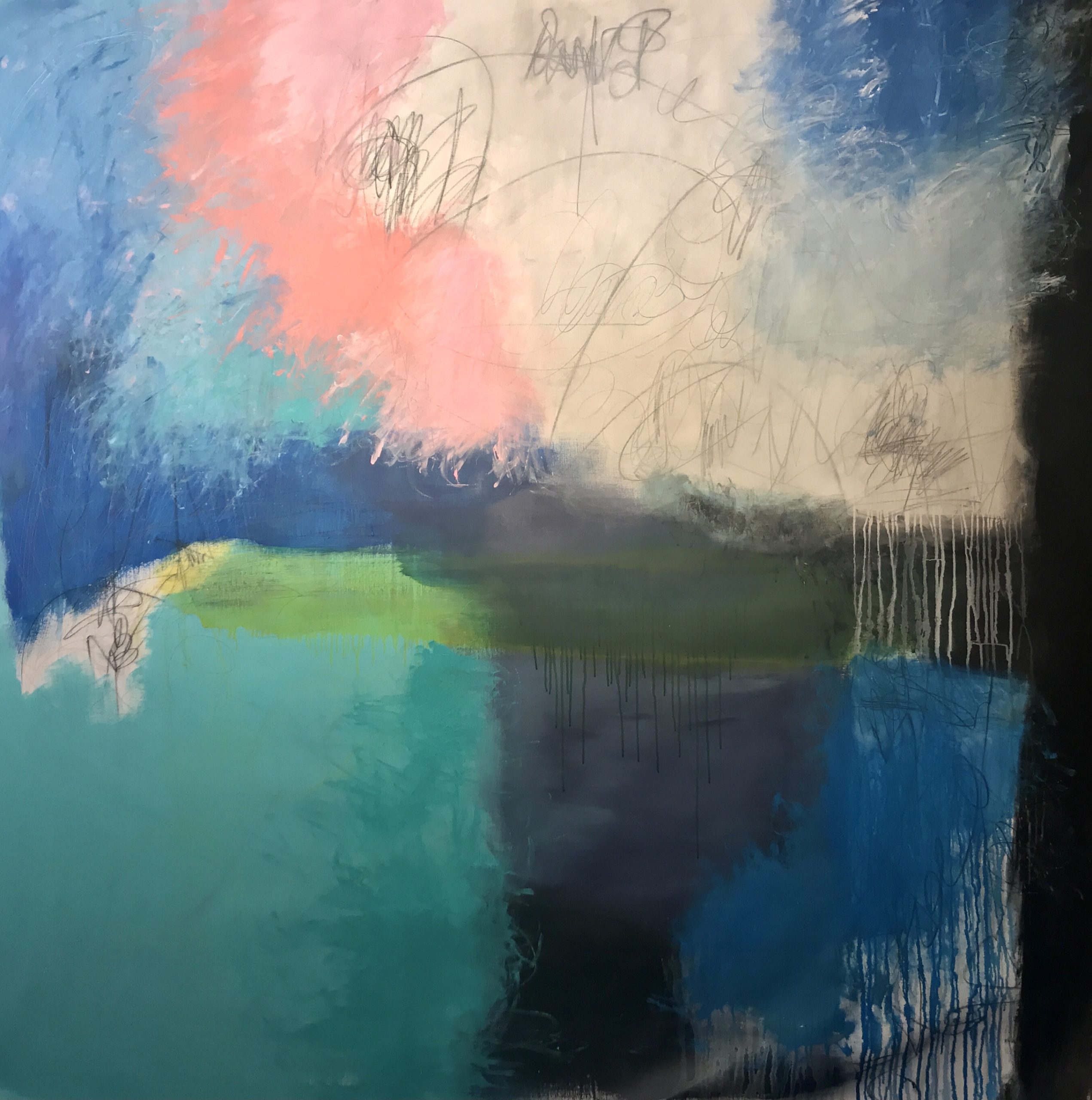
This past February, I had an exhibition of paintings in Tallinn that included an eight-hour soundscape I created during a residency at the Alice Boner Institute in Varanasi, India. And this summer, at the Pride Museum in Brussels, I made a three-day installation called Chapter 7: what trembles is not broken. I sat hidden in the gallery each day, playing clarinet live inside an environment of video and a two-hour dronescape.
A lot of my work now is about memory — human memory, but also the fragments and traces of the digital world. I often weave in field recordings and what I call “digital detritus.” Some people have described the results as “orchestral meditations with digital debris.”
I don’t think there’s a neat category for it. It’s not ambient, it’s not industrial. It’s just me.
PAUL'S CITIES AND MEMORY SOUNDS
The interview continues below ⬇️, and this map collects together all of Paul’s contributions to Cities and Memory:
What does it sound like where you're from?
It’s really, really quiet – so quiet in fact, that my music changed because of it.
How did you first discover a love of sound in your life?
I first discovered a love of sound in the mid-70s. I remember hearing Loren Rush’s piano piece Hard Music, and I went straight to our family piano to make my own version.
I removed the lower wood panel to make it as loud as possible, and I played — with all my teenage might — the two low As of the piano. I got completely lost in the sound. Now I realize that I was hearing the harmonics building in the space. I don’t know how long I played, but I clearly remember the moment a piano string snapped and my mother screamed, “Do you know how much it’s going to cost me to fix that?” That was the end of my “loud” music period.
By the following summer, I was at my local community college, studying music theory with Wally Cirillo, who had worked with Charles Mingus. It was there that I first heard a song written by a classmate and thought, wow, I can do that too. And just like that, I dove in. Before the Fourth of July, I had already heard Stravinsky, Ives, and Karel Husa — and I was hooked.
Those early moments of getting lost in sound — the physical vibrations, the harmonics, the way they filled a room — still guide my work today. Whether in field recordings, long dronescapes, or live performance, I’m always returning to that sense of immersion, of listening deeply and letting sound shape time and memory.
What is it that you love most about what you do?
 I’ve spent most of my life being told to be quiet — like nobody really cared what I was thinking or feeling. That goes way back, all the way to my earliest memories.
When I wrote my first song, it was a love song, but gender-free. And that’s when I realized, maybe music could say the things I couldn’t say with my own voice. For a long time, music was kind of a shield. I hid behind sound, hoping it would tell the truth for me. There’s a flaw in that logic, of course, but it worked… for a while.
Then, in 2016, when everything in my life kind of collapsed, I started turning inward. I did some meditation, paid attention in quiet ways, and really listened — to sound, to space, to the world. Making sound every day became a kind of spiritual practice.
I was discovering dhvani — the resonances, the overtones, the vibrations that carry meaning beyond words. And through those subtle sounds, I could explore what I’d been holding inside. I could inhabit time differently, notice memory, presence, the tiniest details. And most importantly, sound helped me become fully aware of who I am.
What I love most about what I do isn’t escaping, isn’t getting lost. It’s that sound shows me who I am. It makes me present, alert, awake, alive in a way nothing else can.
Can you share an example of your work with us?
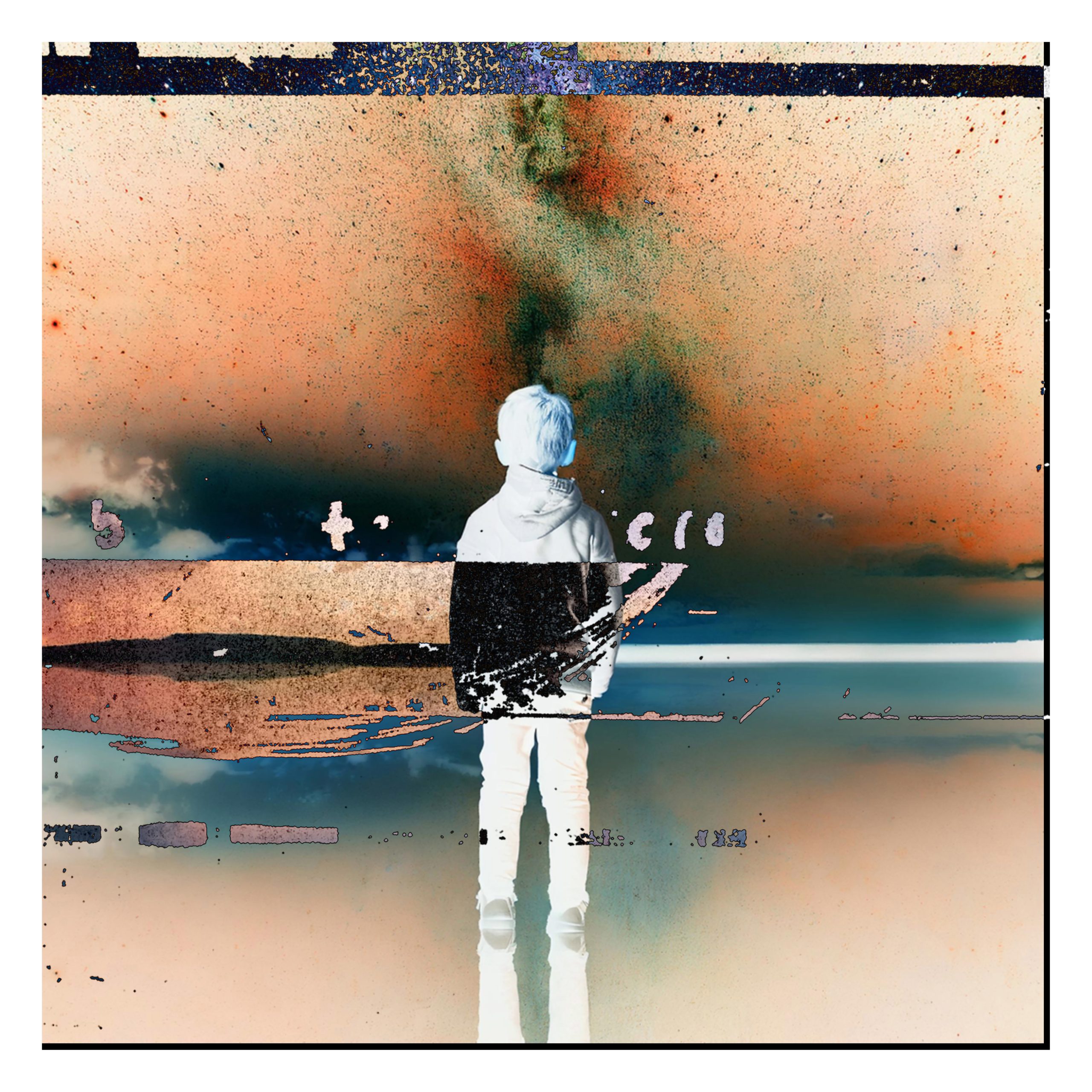 While on the Fulbright, I had the remarkable opportunity to meet the Portuguese sculptor Carla Castiajo. She invited me to create sound installations for two of her PhD projects.
The final one was to take place at the Pirita Convent — a site of deep historical importance to Estonians. I wanted all the music for that installation to focus on the Virgin Mary, the patron saint of the convent. I remembered the prayer “ora pro nobis peccatoribus, nunc, et in hora mortis nostrae” — pray for us sinners now, and at the hour of our death.
I reached out to my dear friend, the extraordinary vocalist Maria Tegzes, and asked if she would recite the prayer. She did — in several languages. I remember sitting at my kitchen table back in the U.S., imagining the space of the Pirita Convent and listening to Maria’s vocals. It was as if I were channeling something beyond myself. Nothing at all like the music of my training — it unfolded slowly, but at what felt like the perfect pace. The way Maria’s voice entered and receded felt deeply sincere, as if it really were the last moment for asking forgiveness.
That project remains the turning point for the music I have been making for the last decade — the moment I began fully exploring space, duration, and sound as a vessel for presence, memory, and contemplation. You can listen to it here.
It’s not the most listened-to track on my SoundCloud account, but it may be one of the most important.
What's a contribution to Cities and Memory that you're proud of, and can you tell us a bit about it?
The Bosnian soundscape I made with the field recording of Alex Banaszkiewicz. Imagine a sonic space that embraces Estonia, Bosnia, and India – this is the kind of synergy that only Cities and Memory can bring to the global village.
Recommend us some of your favourite artists!
This list changes nearly every time I’m asked, but a few names always come back.
– John Cage — I knew him personally, and his work did so much to free us from conventional definitions of art. He showed that listening, attention, and silence are as essential as any notes on a page.
– Taylor Deupree — for his incredible sensitivity to sound. His work always reminds me how subtle textures can carry so much feeling.
– Michel Banablia — impeccable in manipulating sound, always precise, always inventive. And I should also mention Noah Creshevsky, whose approach to sound and collage is just fearless.
– ümlaut – tireless advocate for ambient and experimental music and a might fine creative person! ümlaut is fearless in exploring intersections and the rewards of blending elements. Sound, graphic design, a vital radio show (listening pearls), and so much more – located high up in the French Pyrenees, that might be the secret to their strength.
– Will Long, also known as Celer — a prolific artist whose brave exploration of sound always pushes me to bring myself to the edges of what I do.
– And finally, my friend Jürg Frey. His finesse in blending notation, acousmatic, and concrete sounds into the “serious” music world, all with such quiet rigor, has been a constant inspiration and a role model for me.
What's a sound that has a particularly important significance for you?
From around 2018 until 2022, I was fascinated by the sound of the foghorn. It shows up in a lot of my music from that period. For me, it was a kind of metaphor for the time I was looking for myself — that lonely, searching sound, cutting through space, calling out.
Since 2022, my focus has shifted to micro-sounds: digital debris, glitches, mechanical failure — those small, fragile noises. They’ve become a metaphor for the instability of memory, for what is lost or slips away. This has been an important part of my artistic research.
Memory isn’t just personal; it’s also what allows us to participate in the art world. We need a sense of what came before, of traces and fragments, in order to understand, engage, and create. These sounds, whether vast and lonely like the foghorn, or tiny and fragile like a glitch, help me explore that relationship between memory, time, and presence.
Time for an equipment nerd question! What is some of your favourite kit, and why do you love it so much?
I use an archaic and highly unstable DAW called Acid Pro… don’t even ask. I know I should learn Ableton, but it’s hard to teach an new dog old tricks.
I’m an absolute devotee of Native Instruments — especially Kontakt and Reaktor, which I use a lot for live performance.
And finally, a big shout-out to the incredible tools made by Slate and Ash. They’ve given my Orchestre du Sous-sol a sound and flexibility I couldn’t have imagined otherwise.
What are you working on next?
For some time now, I’ve been working on an evening-length piece that brings together my video, text, and sound worlds into a single immersive experience — somewhere between performance art and theatre.
Parts of it have been shown publicly, but I’m still exploring how these different elements come together, how they can coalesce into something meaningful for the audience.
It’s an ongoing investigation, really — finding the right rhythm, the right balance, so that each layer of sound, image, and text contributes to the sense of time and presence that I care about so deeply.