ARTIST SPOTLIGHT: ANDY BILLINGTON
Artist Spotlight is our regular feature introducing you to Cities and Memory artists around the world with an in-depth interview. In this edition, we introduce you to long-time Cities and Memory contributor and Ciat Lonbarde synth whizz Andy Billington, who works under the artist name solo1 and prefers to leave the computer screen behind to get hands-on with hardware.
Tell us about your practice, Andy:
Making music, listening, creating something with sound has formed part of daily rituals for some years. More recently I have abandoned screens, tending to work more with hardware.
I studied fine art and take principles and practice learnt into my music making practice, sound creation and study. This takes form as collage, found sound, frequent reworking, hazard, “one take best take” mentality and a curiosity with non-conventional gear.
Having played guitar in a number of bands when younger I had an epiphany with an old synth, looper pedal and four-track and my current artist name solo1 became a thing around 2009.
There were a number of albums released around 2017 on Doom Trip Records and Memory No, 36 which can still be found on Bandcamp and other platforms.
I am a frequent contributor to Cities and Memory under my own name and for the last 12 months have been learning more about modular synths and all things ciat lonbarde.
ANDY'S CITIES AND MEMORY SOUNDS
The interview continues below ⬇️, and this map collects together all of Andy’s contributions to Cities and Memory:
What does it sound like where you're from?
I live in a 100-year-old Edwardian semi detached house that backs out onto a series of large Victorian townhouse back gardens. Despite my proximity to the centre of the market town I live near, it is surprisingly quiet with trees and wildlife.
There is birdsong, a daily dawn chorus, an infrequent bus and a distant hum of traffic. Foxes and badgers use our garden at night for routing to fields making sounds that predate the streets.
In the Autumn, migratory birds will strip the large holly tree of all its berries in 24 hours turning it into an exotic, high pitched living artwork. We work hard to attract pollinators to the garden, which buzz around and come to visit us in the house.
How did you first discover a love of sound in your life?
Radio and cassette tapes formed the basis of many early memories. The radio was always on when I was growing up.
I could not afford to buy music when growing up so recording off the radio and making mixtapes was an accessible cheap new world.
I didn’t see any bands or live music till I was around 14 years old as I grew up in a rural area, couldn’t afford to travel and had no access to musical instruments or equipment.
When I did start going to see bands, it was impactful and I knew something I would want to do, though I could not play an instrument. I was gifted a guitar when I was 16 and started the slow process of learning. This was the gateway for the next ten years…
What is it that you love most about what you do?
I think I use my formal training in fine art and apply it to sound manipulation, creation, composition and musical practice. I find joy turning something into something else and then working and reworking it until I can live with it/feel comfortable with it as a piece of music or sound(art).
The idea of creating something from nothing, using modular tools recently to further build, twist obscure that sound I find appealing and rewarding.
Lost loops, dust and archaic, bizarre non-linear instruments sync well with my approach to making music. I am also a very slow learner!
Can you share an example of your work with us?
Alex Duncan recorded the original audio capturing midi data from an aged oak tree. There are a number of artists responses.
I created two tracks using reworked loops, samples and other material to build out tracks which can be found on Alex’s Bandcamp page. Since then our paths continue to cross having also done some forays into North Cornwall to capture tree MIDI data and field recordings of ancient churches.
What's a contribution to Cities and Memory that you're proud of, and can you tell us a bit about it?
I have loved being part of many reimagining of rich and diverse filed recordings in the Cities and Memory project canon.
One that remains close to my heart was the Orange Garden project. I listened to the source material many times before creating the track that made its way into the Bandcamp release. It simply reminded me of time spent with loved ones in Italy, the warmth of people, the heat of the sun and times away from the office, screens and media distraction.
It is one recording I don’t feel uncomfortable listening to time and time again. It is a sonic journey of sorts.
Recommend us some of your favourite artists!
 Current obsessions: Actress track “Jardin”; Andrew Peckler album “New Environments & Rhythm Studies; Milkweed albums ( all three albums), Arianna Churchman & Benedict Drew album ” the tree of the lefthand”; Gareth E Rees book Marshland.
Actress continues to evolve his thinking, musical approach and sonic palette. Through recent collaborations with Suzanne Ciani and London Contemporary Orchestra his sonics continue to challenge and organically spread through setting, space and disciplines. I enjoy the architectural components.
The latest album by Andrew Peckler is a detailed World making synthetic, humid, heavy, modulating mass of (un)realistic sounds and textures. I enjoy trying to work out which sounds are “real” and what sounds are not. Then I stop trying and accept I will never know.
Milkweed take folk touchpoints and throw them into a sampler. What comes out is mesmerising, small collage based songs anchored by voice with content sourced in some instances from 70s folk magazines or ancient historical text. All very magpie-like and like finding sunburnt tapes in the door of your car. Life changing stuff.
The latest album from Arianna Churchman & Benedict Drew draw in references from recent and far flung places. Harmonium drone, synth and voice bring to life the mytical, multilayered and complex. Whilst again taking touch points or traditional folk music, everything gets turned upside down and becomes dreamlike. Again the layers, touchpoints and liminal components are built into a new reality and sonic order, which again is all we can aspire to, right?
Gareth E Rees‘s book turns all of the above into words anchored to the edges of London. Layers, complex non linear timelines converged.
What's a sound that has a particularly important significance for you?
Less a sound, rather the impact of weather on the sounds we live within and how they remix our day-to-day sonic diaries and experience. The impact of fog on sound and the impact it has on all noise hidden inside it, dampening, quieting, muffling and how discombobulated you feel when in it, I find fascinating. Field recordings take on a different tonal quality.
Spring rain on the flat roof on the side of my house and all associated drips and drops. How the water escapes into the gravel behind the house. Wind in the large palms near our house, how they whip the leaves and bring the garden to the forefront.
Time for an equipment nerd question! What is some of your favourite kit, and why do you love it so much?
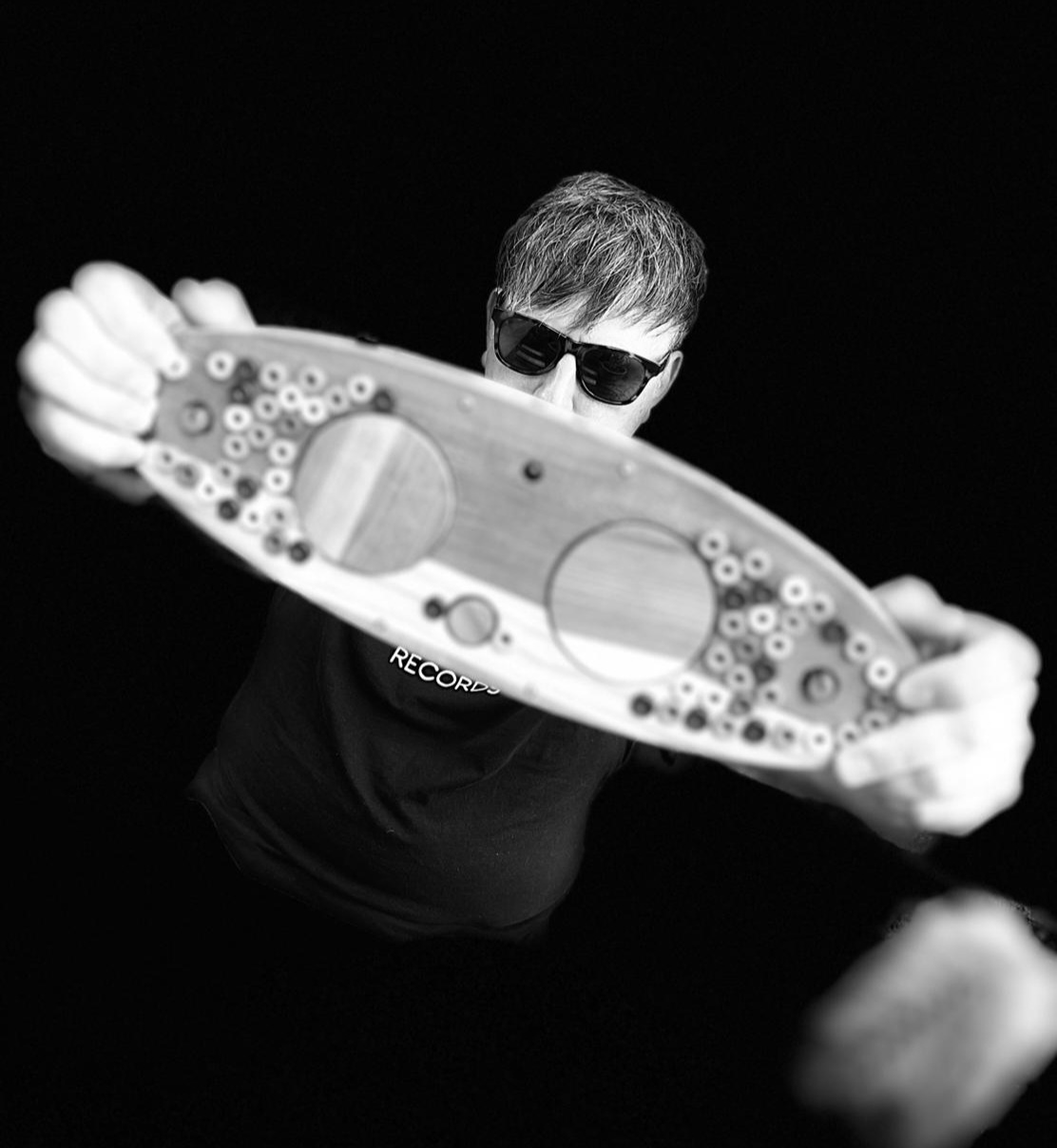
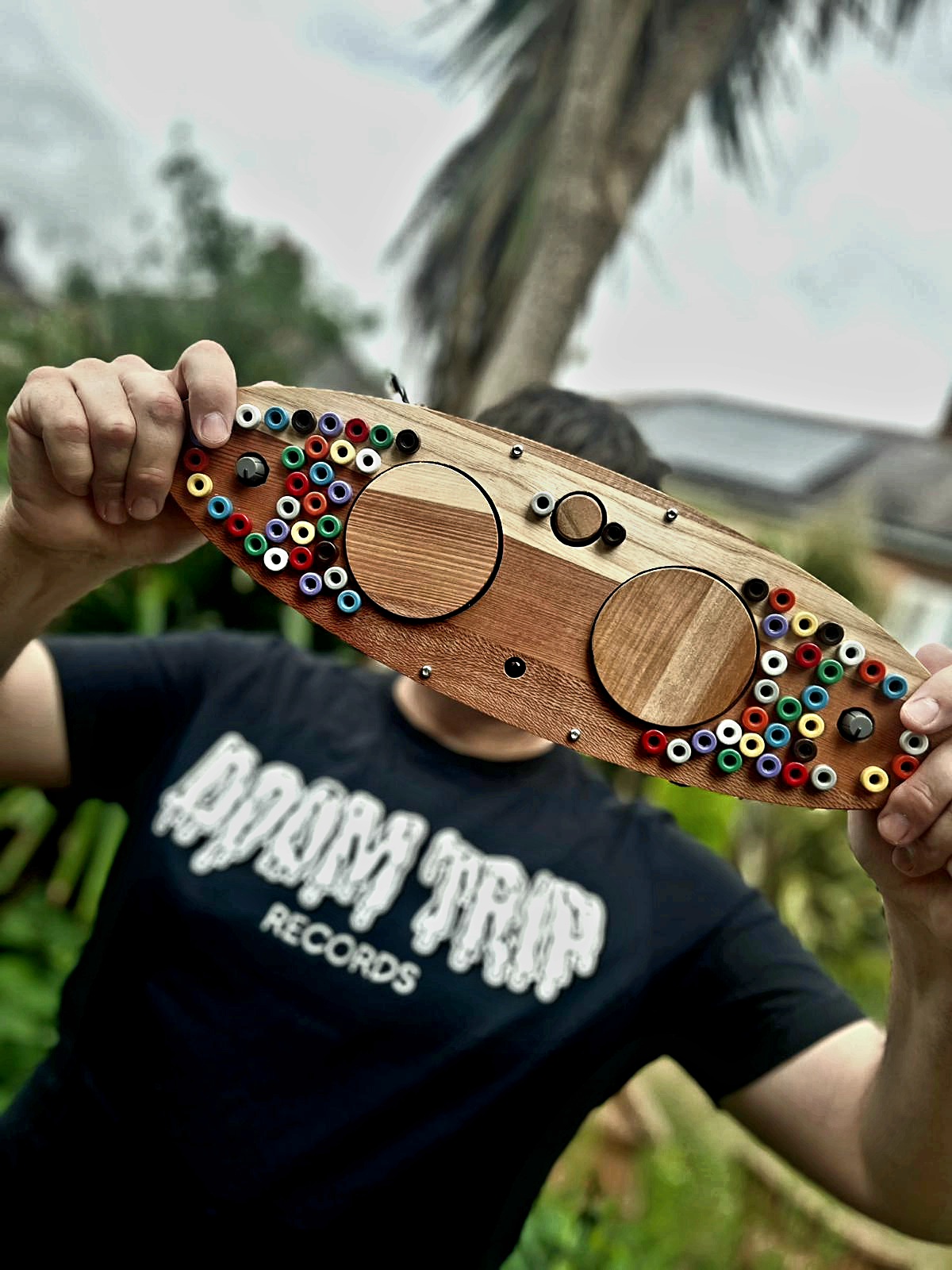
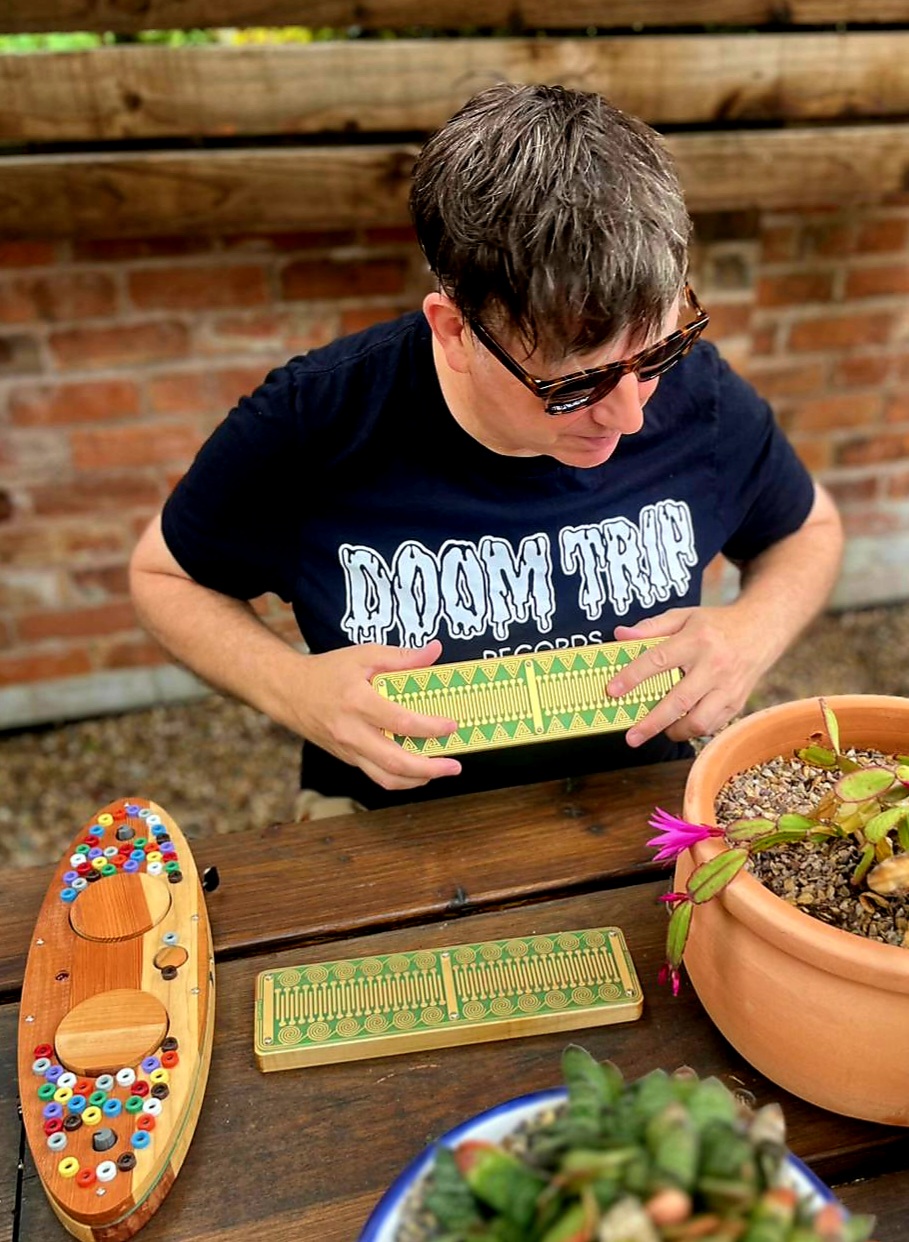
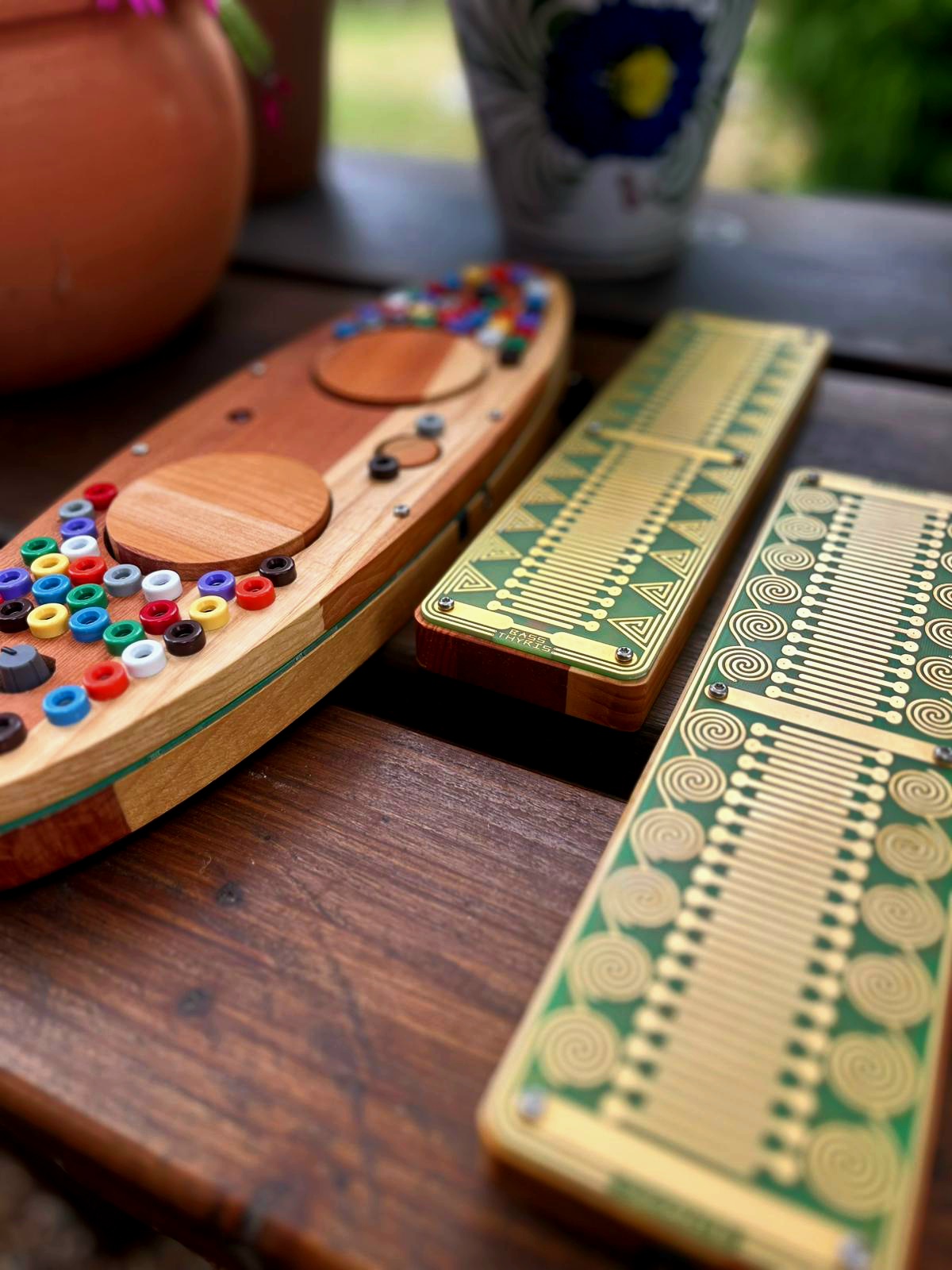 Anything in the Ciat Lonbarde synth range. The look, smell, sound, aesthetic, non linear, complexity, touch, colour, wide tonal electronic wrangling weirdness of them all is highly engaging. Beautiful sonic solutions.
The depth and ability for them to flavour tracks is simply next level. The lack of keyboard, the fact you are channeling electricity via banana patch cables and patches can evolve or collapse without notice and at the re patching of a whim really appeals to my ways of working and are firmly part of a sonic journey I am on.
I am a slow learner but prepared to spend time and bring these deeper into my practice and into future outputs sonically and visually.
What are you working on next?
I am currently preparing for a journey to Italy to capture field recordings for an Autumn project. At some point I should also build my Bandcamp page.