ARTIST SPOTLIGHT: REBECCA GOLDBERG
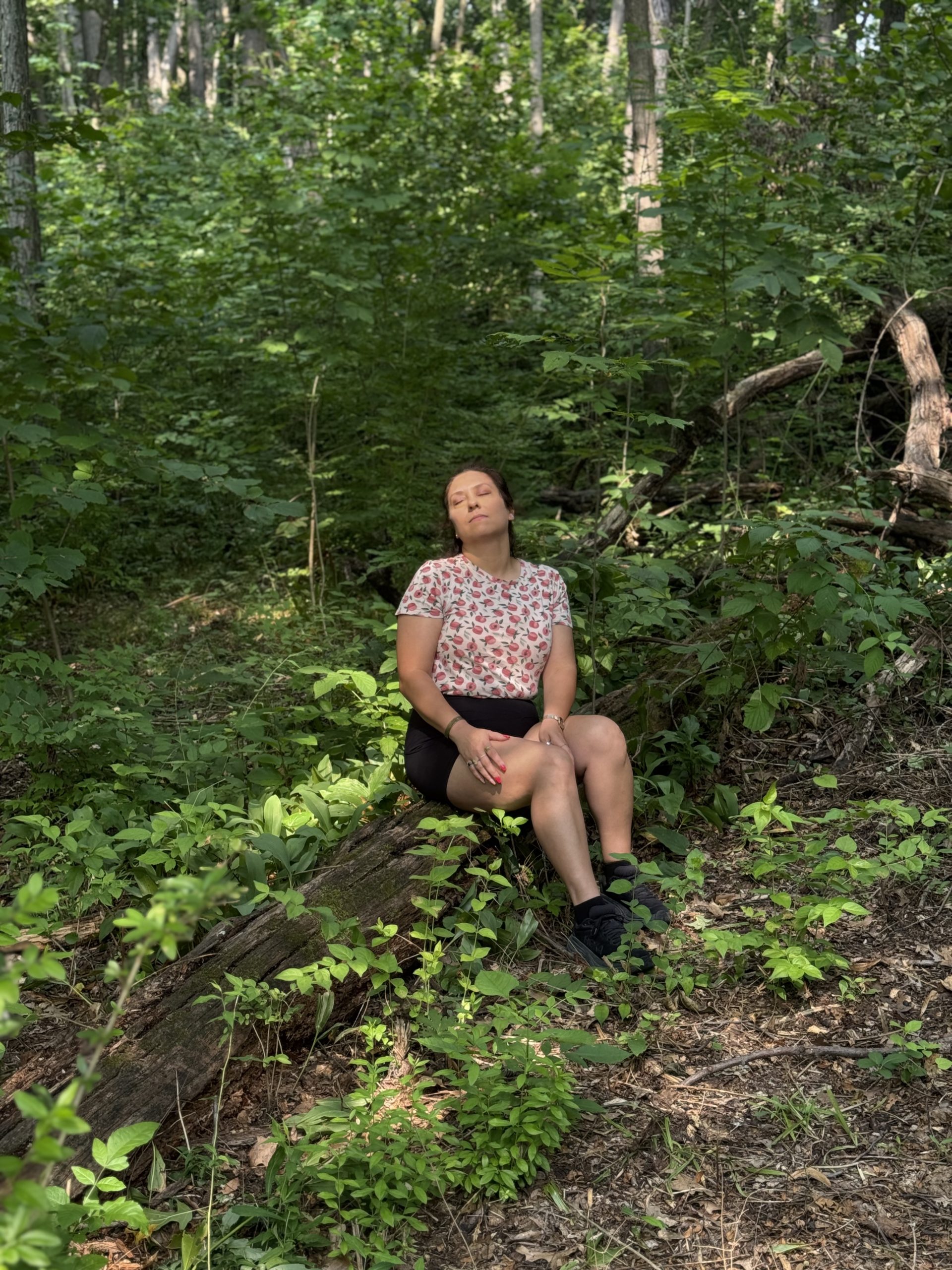
Artist Spotlight is our regular feature introducing you to Cities and Memory artists around the world with an in-depth interview. In this edition, we introduce you to Detroit-based DJ, producer and field recordist Rebecca Goldberg, who’s inspired equally by the rhythms of her home Motor City, and the rhythms of the sound of transportation.
Tell us about your practice, Rebecca:
I am an electronic music producer and DJ from Detroit, the birthplace of techno and the city that deeply informs my sound and creative approach.
My work blends Detroit’s rhythmic legacy with experimental textures, often incorporating field recordings and real-world sounds that capture moments in time and space. The result is my vast body of music that bridges tradition, environment, and innovation.
REBECCA's CITIES AND MEMORY SOUNDS
The interview continues below ⬇️, and this map collects together all of Rebecca’s contributions to Cities and Memory:
What does it sound like where you're from?
Industrial, weather-intensive.
How did you first discover a love of sound in your life?
Growing up alongside rapid changes in technology and format evolution, I witnessed firsthand how sound and listening have transformed over time. From tapes and CDs to streaming and digital production and back to vinyl records, I have always enjoyed music in all its forms.
Electronic music, in particular, has been a constant thread through it all, shaping my tastes and inspiring my curiosity. I’ve always been a devoted consumer of music and of sound itself, drawn to the textures, rhythms, and possibilities that emerge when technology meets creativity.
What is it that you love most about what you do?
I love working with field recordings and electronic music because they allow me to capture fleeting moments in time and sounds that might otherwise disappear. There’s something powerful about preserving and transforming these moments through technology.
Electronic music has always been forward-thinking, constantly pushing boundaries and redefining what sound can be. As part of the legacy of Detroit music, I carry that spirit of innovation and futurism with me.
Can you share an example of your work with us?
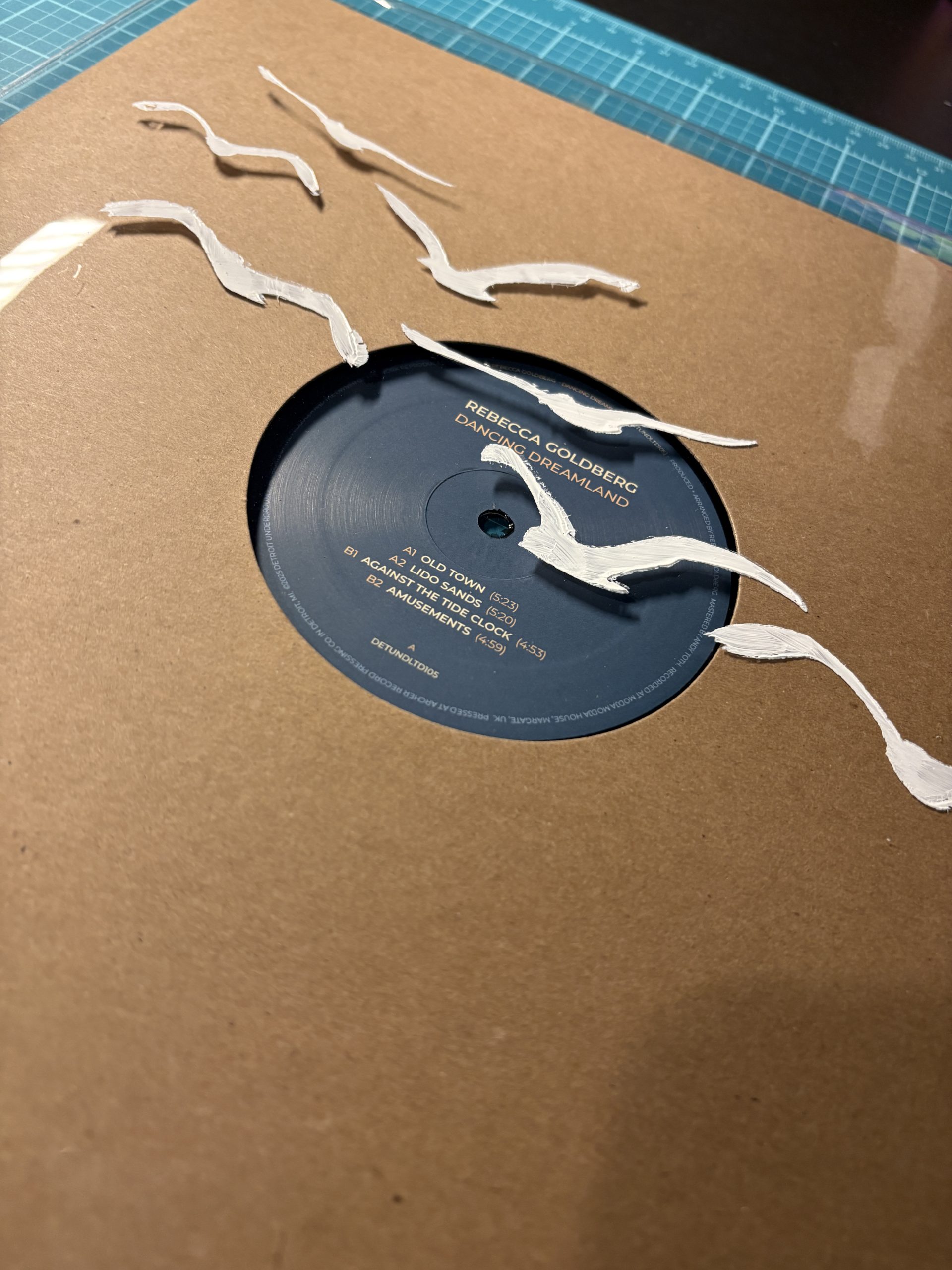
Dancing Dreamland is my latest EP, released this year. It weaves together elements of techno and electro with field recordings I captured in Margate during an artist residency.
The sounds of the seaside, chimes of amusement games, and the atmosphere of the town all find their way into the tracks, merging with analogue electronic instruments. The result is a sonic reflection of place and memory, a dance between the mechanical and the organic, the real and the imagined.
What's a contribution to Cities and Memory that you're proud of, and can you tell us a bit about it?
I’m proud of the audio recording I captured during the Detroit Grand Prix. As someone who grew up surrounded by the auto industry, the roar of Indy Car engines have always held special meaning for me. Detroit, known as the Motor City, is part of who I am, and recording these sounds felt like preserving a piece of my hometown’s identity.
Recommend us some of your favourite artists!
Sugai Ken has been an active composer in Japan’s underground scene since the mid-90s. His unhurried and organic compositions, whether self-published or released on beloved labels such as Japan’s EM, offer nimbly molded and reshaped interpretations of sound.
Duane Pitre is an American experimental composer and musician. His work utilises electronic and/or acoustic instrumentation and often explores the balance between chaos and discipline. Pitre utilises alternate tuning schemes, with a primary focus on Just Intonation, enabling him to explore unconventional harmonies and psychoacoustic rhythms.
Sheefy McFly, is a Detroit-based multidisciplinary artist known for his work as a rapper, DJ, muralist, and painter. He emerged from the city’s graffiti scene and is influenced by his heritage and the culture of Detroit, creating art that often blends Neo-Expressionist, street art, and unique visual collages. He is a rapper and DJ, producing music that is often bass-driven and influenced by his visual art process. He aims to make art accessible to everyone and sees his work as a way to document and express his life in real time. He also believes in setting an example for the youth and incorporating subtext and everyday elements of Detroit into his art.
What's a sound that has a particularly important significance for you?
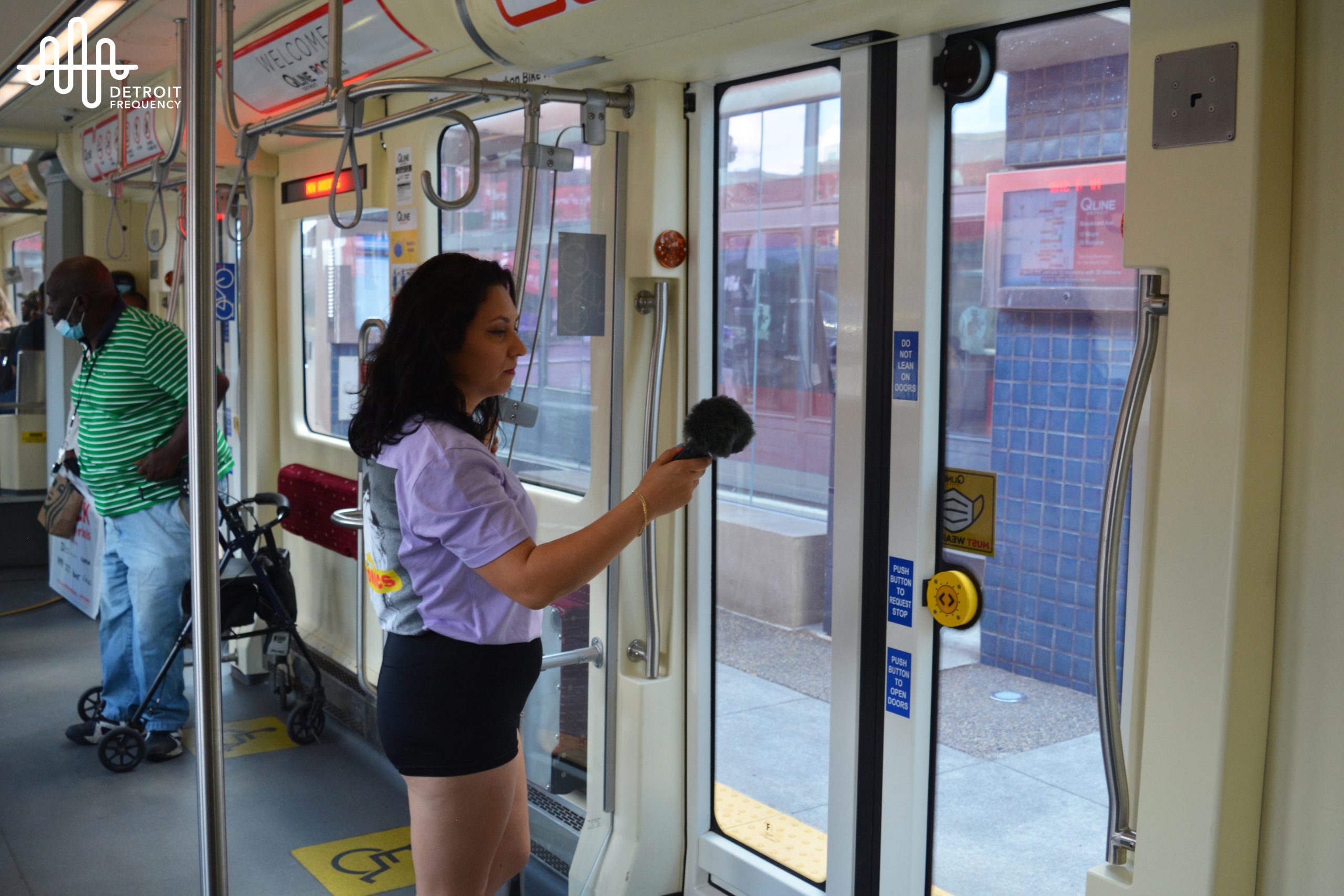
I’m passionate about the sounds of public transportation. Transit systems are more than just a way to get from one place to another; they’re spaces of community and exchange, where ideas, cultures, and geographies intersect.
Capturing and reinterpreting these sounds allows me to explore how movement and connection shape our shared sonic environment.
Time for an equipment nerd question! What is some of your favourite kit, and why do you love it so much?
I use a Tascam DR-40 for field recording. The fact that it fits in a small bag and can go anywhere with me is the best part. For me, being easy to use and easy to carry on top of great quality recordings are my main requirements.
As far as studio gear, the Roland TB3 was my first synthesizer and still my favorite! It offers a total of 134 unique sounds across four banks, including wildly influential original Roland TB-303 sounds and the new oscillator-based tones. I find that it’s the perfect accompaniment so the sound effects and recordings I take in the wild!
What are you working on next?
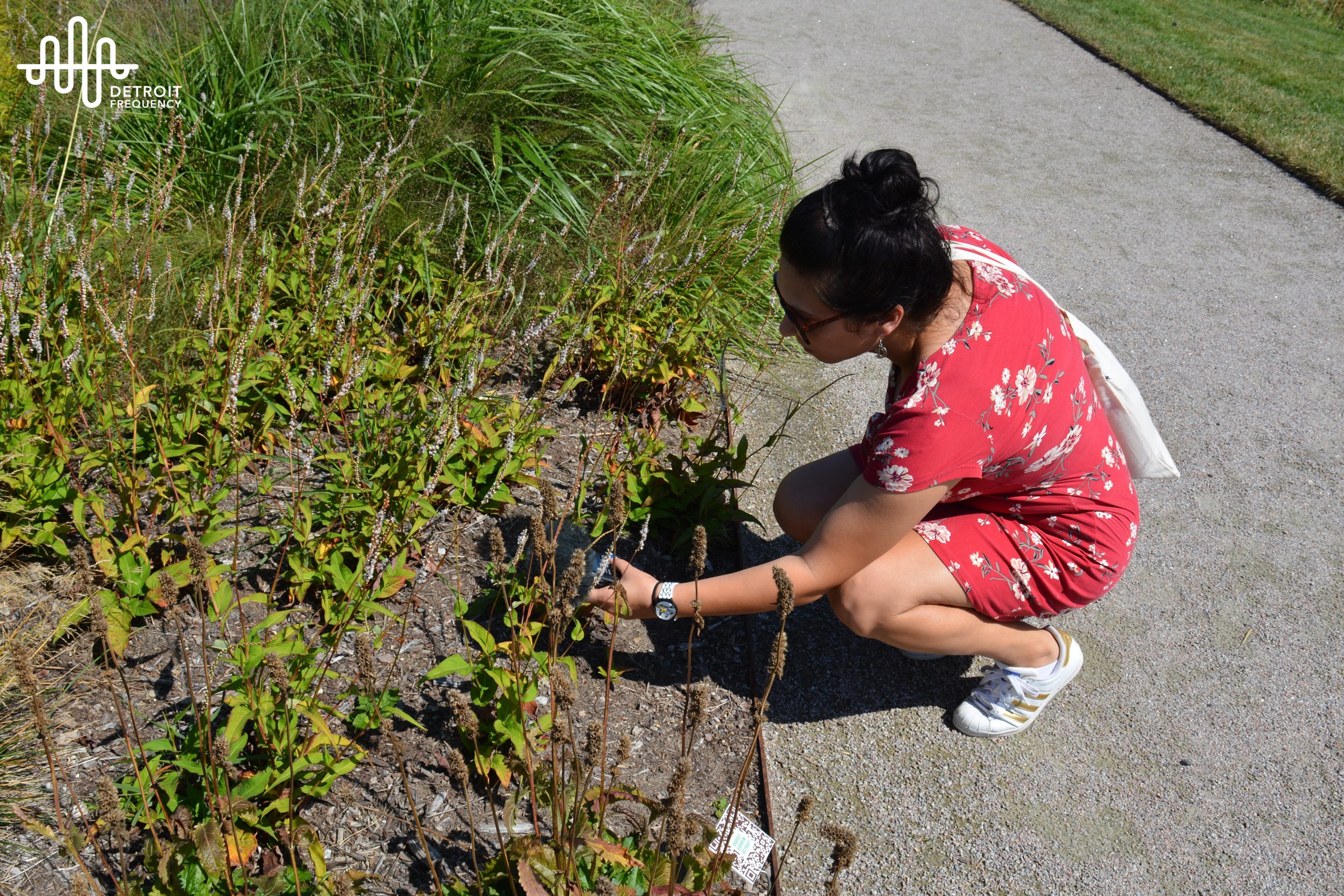
I am currently promoting a project I released this month called “The Arb”. The Arb is a year-long field recording and printmaking project created at Nichols Arboretum at the University of Michigan.
Each season, I placed nearby organic materials on cyanotype paper for a fifteen-minute exposure while recording from ground level, capturing the ambient soundscape as the print developed. Once the exposure was complete, I washed the cyanotype in the waters of the Huron River, merging the print with its environment. By repeating this process every three months over the course of a year, I sought to trace the Arboretum’s evolving character.
Through changes in light, texture, and tone, and its shifting sonic atmospheres, The Arb represents a dialogue between natural rhythms and artistic intervention, offering a layered portrait of place through time. The Arb is available to listen/view via The Museum of Sound, produced by the BBC Radiophonic Institute.